
Smart technology is no longer a futuristic concept—it is the backbone of modern life. From AI-powered smartphones and intelligent homes to autonomous vehicles and wearable health monitors, smart technology trends are redefining how people work, communicate, shop, and stay healthy. As we move deeper into 2026, these innovations are converging faster than ever, driven by artificial intelligence, cloud computing, and next-generation connectivity.
This article explores the most influential smart technology trends, supported by research insights, pricing tables, and country-level adoption data to help consumers, businesses, and tech enthusiasts understand where the digital world is heading.
What Are Smart Technology Trends?
Smart technology trends refer to the ongoing advancements in devices, software, and systems that use automation, artificial intelligence, connectivity, and data analytics to make decisions or assist humans intelligently. These trends focus on efficiency, personalization, security, and sustainability.
Key characteristics of smart technologies include:
- AI-driven decision-making
- Real-time data processing
- Internet connectivity (IoT)
- Machine learning adaptability
- User-centric automation
As smart technology trends mature, they blur the line between hardware and software, creating intelligent ecosystems rather than standalone devices.
Source: Top 10 Technology Trends 2026: AI Agents, Quantum Computing & Edge AI
Top Smart Technology Trends Dominating 2026
1. Artificial Intelligence Everywhere
Artificial intelligence remains the most powerful force behind modern smart technology trends. AI has moved beyond chatbots into core consumer and enterprise products.
Key Applications:
- AI-powered smartphone photography
- Predictive typing and voice assistants
- Fraud detection in banking
- Smart manufacturing automation
Major companies like Google, Microsoft, and Apple continue embedding generative AI directly into operating systems and cloud services.
2. Smart Home Ecosystems Go Mainstream
Smart homes are no longer luxury experiments. In 2026, interconnected ecosystems dominate the market.
Popular Smart Home Devices:
- AI thermostats
- Smart locks and doorbells
- Voice-controlled lighting
- Energy-monitoring plugs
Average Smart Home Device Prices (2026)
| Device Type | Average Price (USD) | Popular Markets |
|---|---|---|
| Smart Speaker | $60–$120 | US, UK, India |
| Smart Thermostat | $150–$300 | US, Germany |
| Smart Security Camera | $80–$250 | Canada, Australia |
| Smart Lock | $120–$280 | UK, Japan |
Smart technology trends show rising adoption in urban India, driven by affordable IoT devices and improved broadband access.
3. Wearable Technology Becomes Medical-Grade
Wearables now play a serious role in preventive healthcare. Advanced sensors and AI enable real-time health tracking with clinical accuracy.
New Capabilities:
- Blood oxygen monitoring
- ECG and heart rhythm alerts
- Stress and sleep analytics
- Glucose monitoring (non-invasive trials)
Brands like Samsung and Fitbit focus heavily on medical validation, making wearables a core part of smart technology trends in healthcare.
4. Electric and Autonomous Vehicles
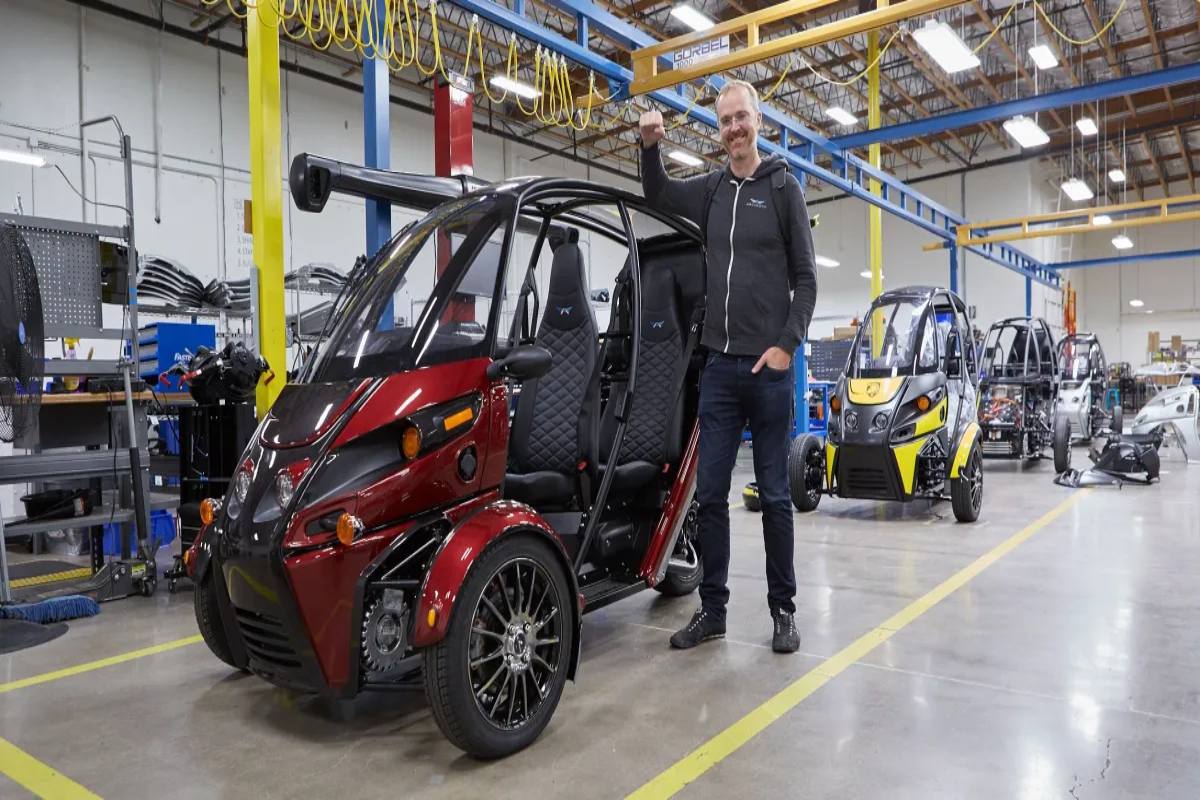
Transportation is undergoing a massive digital transformation. Electric vehicles (EVs) and autonomous driving systems rely on AI, sensors, and cloud connectivity.
Key Developments:
- Level 3 autonomous driving
- Over-the-air software updates
- AI-assisted navigation
- Vehicle-to-infrastructure communication
EV Pricing Comparison by Country (2026)
| Country | Entry-Level EV Price | Popular Model Type |
|---|---|---|
| USA | $32,000 | Compact SUV |
| India | $18,000 | Hatchback |
| Germany | €35,000 | Sedan |
| China | $15,000 | City EV |
Smart technology trends indicate China and India will lead global EV adoption due to government incentives and charging infrastructure expansion.
5. 5G and the Rise of Edge Computing
Connectivity fuels smart innovation. With 5G expanding globally, edge computing reduces latency by processing data closer to the user.
Benefits:
-
Faster response times
-
Reduced cloud load
-
Enhanced IoT performance
-
Better AR/VR experiences
Countries like South Korea, the US, and Japan now lead in commercial 5G deployment, accelerating enterprise-grade smart technology trends.
Smart Technology Trends in Business and Industry
Smart Offices and Hybrid Work
AI-powered tools enhance productivity and collaboration.
- Smart scheduling assistants
- Facial recognition access control
- Energy-optimized buildings
- AI meeting summaries
Industry 4.0 and Smart Manufacturing
Factories increasingly rely on intelligent systems.
Industrial Smart Tech Benefits:
- Predictive maintenance
- Reduced downtime
- Supply chain optimization
- Real-time quality control
Consumer Electronics: Smarter Than Ever
Smartphones, laptops, and tablets now act as AI hubs rather than simple devices.
Key Consumer Smart Technology Trends:
- On-device AI processing
- Foldable and rollable displays
- AI battery optimization
- Privacy-focused computing
Average Device Prices (2026)
| Device | Average Price (USD) |
|---|---|
| Flagship Smartphone | $900–$1,300 |
| Foldable Phone | $1,500–$1,900 |
| AI Laptop | $1,200–$2,200 |
| Premium Tablet | $800–$1,400 |
Country-Wise Adoption of Smart Technology Trends
| Country | Adoption Level | Key Focus Areas |
|---|---|---|
| USA | Very High | AI, Smart Homes, EVs |
| India | High | Affordable IoT, Fintech |
| China | Very High | EVs, Surveillance AI |
| Germany | High | Industry 4.0 |
| Japan | High | Robotics, Healthcare |
India’s rapid digital payments growth and affordable data plans are accelerating smart technology trends across urban and semi-urban regions.
Challenges Facing Smart Technology Growth
Despite rapid innovation, several obstacles remain:
- Data privacy concerns
- Cybersecurity threats
- High initial costs
- Interoperability issues
- Digital skill gaps
Governments and enterprises must balance innovation with regulation to sustain long-term trust.
The Future Outlook of Smart Technology Trends
By 2030, smart technologies will be invisible yet indispensable. Devices will anticipate needs rather than respond to commands. AI will act as a silent partner in everyday decisions—from healthcare diagnostics to financial planning.
Key future predictions:
- Emotion-aware AI interfaces
- Fully autonomous urban transport
- AI-managed energy grids
- Smart cities powered by real-time data
Smart technology trends will increasingly prioritize ethical AI, sustainability, and human-centric design.
Source: 7 Wearable Technology Trends to Watch In 2026
Final Thoughts
Smart technology trends in 2026 represent a turning point where intelligence becomes embedded in every aspect of life. From homes and hospitals to vehicles and factories, smart systems are driving efficiency, personalization, and economic growth. For consumers and businesses alike, understanding these trends is no longer optional—it is essential for staying competitive in a rapidly evolving digital world.