
Last Updated: June 16, 2026
The workplace is really different now than it was a years ago. By 2026 small businesses are using office technology to get more work done save money make employees happy and stay ahead of the game.
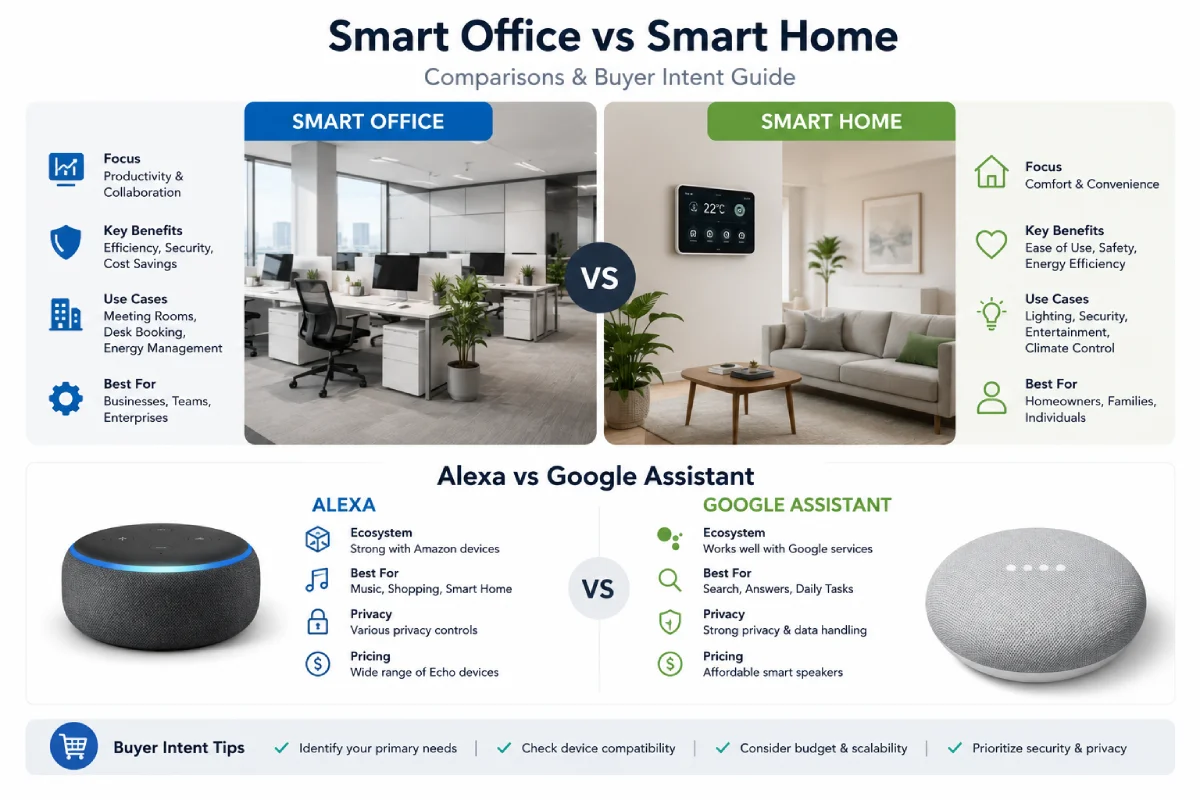
A smart office is not a room full of fancy devices. It is a space where everything works together to make work easy. This means things like computers, software and machines all connect and work as one. You can have helpers, special lights meeting rooms that run themselves and ways to save energy. All these things are becoming the norm, for businesses that want to be successful.
This guide will show businesses the best ways to set up a smart office in 2026. It will give them ideas that actually work ways to make it happen without spending much and the important technologies that every modern workplace should have. The guide will look at office technology and how small businesses can use it to improve their workplace.
Why Small Businesses Are Investing in Smart Offices
According to workplace technology reports published throughout 2025 and early 2026:
| Smart Office Benefit | Average Improvement |
| Employee Productivity | 20-35% |
| Energy Cost Reduction | 15-40% |
| Meeting Efficiency | 30-50% |
| IT Management Efficiency | 25-45% |
| Workspace Utilization | 20-40% |
Businesses adopting smart office technologies often see measurable returns within 12 to 24 months.
Key drivers include:
- Rising energy costs
- Hybrid work environments
- Increased cybersecurity concerns
- Employee demand for better workspaces
- AI-powered workflow automation
Best Smart Office Setup Ideas for Small Businesses
Small businesses don’t need enterprise-level budgets to create an intelligent workplace. The most successful setups focus on practical improvements that deliver immediate value.
1. Create an AI-Powered Productivity Hub
AI assistants are becoming central to modern offices.
Popular uses include:
- Scheduling meetings
- Managing calendars
- Generating reports
- Summarizing meetings
- Automating routine tasks
- Drafting emails
Benefits
- Reduced administrative work
- Faster communication
- Better team coordination
- Improved workflow management
2. Upgrade to Smart Lighting Systems
Lighting significantly affects employee productivity and comfort.
Modern smart lighting systems can:
- Automatically adjust brightness
- Reduce energy consumption
- Respond to occupancy sensors
- Follow natural daylight cycles
Comparison Table
| Feature | Traditional Lighting | Smart Lighting |
| Energy Efficiency | Low | High |
| Automation | No | Yes |
| Occupancy Detection | No | Yes |
| Remote Control | No | Yes |
| Maintenance Alerts | No | Yes |
Smart lighting can reduce electricity usage by up to 30%.
3. Implement Smart Climate Control
Temperature directly impacts employee performance.
Smart thermostats can:
- Learn office usage patterns
- Optimize heating and cooling
- Reduce energy waste
- Provide remote management
Benefits
- Lower utility bills
- Improved comfort
- Reduced environmental impact
4. Build a Smart Conference Room
Meeting spaces are among the most frequently used office areas.
Modern smart conference rooms include:
- Wireless presentation systems
- Voice-controlled devices
- Smart displays
- Automated scheduling panels
- AI meeting transcription tools
Productivity Impact
| Feature | Time Saved Per Week |
| Auto Scheduling | 2 Hours |
| AI Meeting Notes | 3 Hours |
| Wireless Presentations | 1 Hour |
| Smart Booking Systems | 1.5 Hours |
5. Deploy Smart Security Systems
Cybersecurity and physical security are equally important.
Recommended solutions:
- Smart access control
- Biometric authentication
- Cloud surveillance systems
- AI-powered threat detection
- Visitor management systems
Security Technology Comparison
| Security Feature | Basic Office | Smart Office |
| Key Access | Yes | No |
| Smart Access Cards | Limited | Yes |
| Facial Recognition | No | Yes |
| Remote Monitoring | No | Yes |
| Real-Time Alerts | No | Yes |
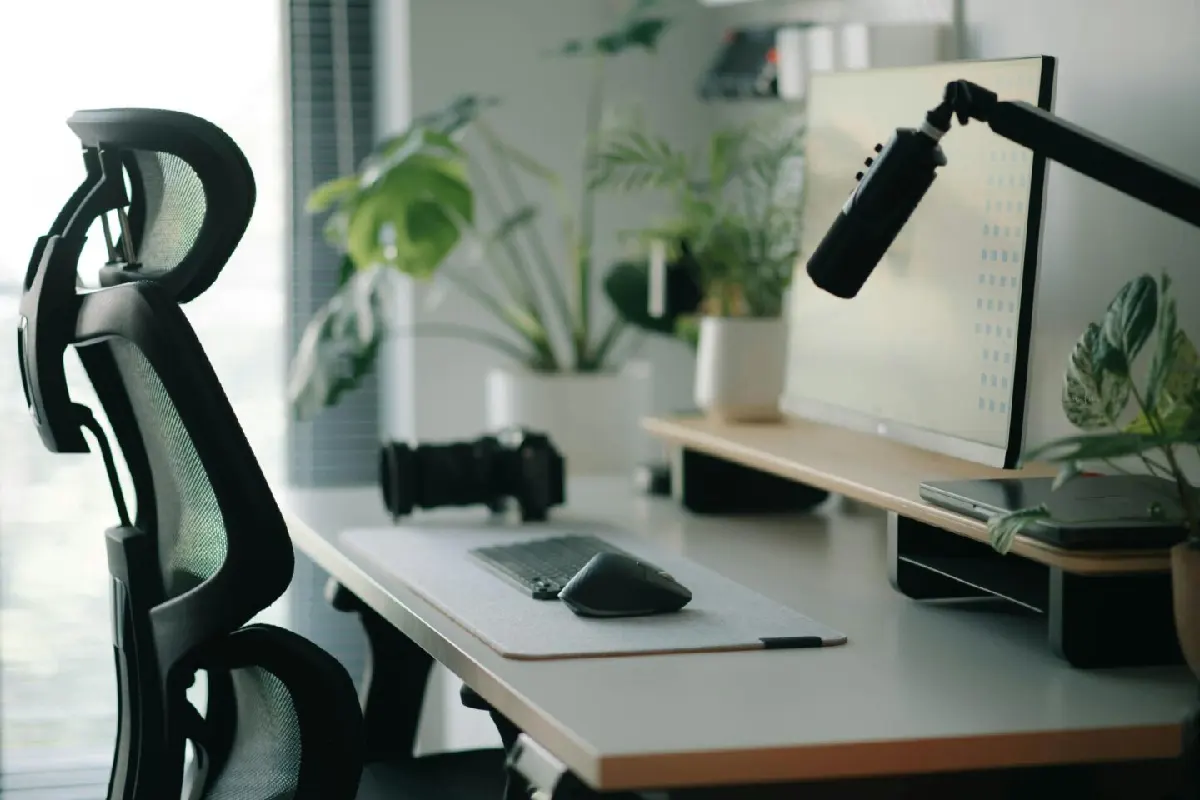
6. Introduce Smart Desks and Workstations
Employee workstations have evolved significantly.
Features include:
- Height-adjustable desks
- Occupancy sensors
- Wireless charging
- Cable management systems
- Smart ergonomics tracking
Benefits
- Better posture
- Increased productivity
- Reduced fatigue
- Improved employee wellness
7. Use Smart Printers and Document Management
Paper processes still exist in many businesses.
Smart document systems provide:
- Cloud integration
- Mobile printing
- Automatic scanning
- Digital archiving
- Security controls
Results
Businesses often reduce paper usage by 40-60%.
How to Build a Smart Office on a Budget
Many small businesses assume smart office technology requires major investment.
The reality is different.
A phased implementation strategy can spread costs while delivering immediate improvements.
Phase 1: Under $1,000
Focus on:
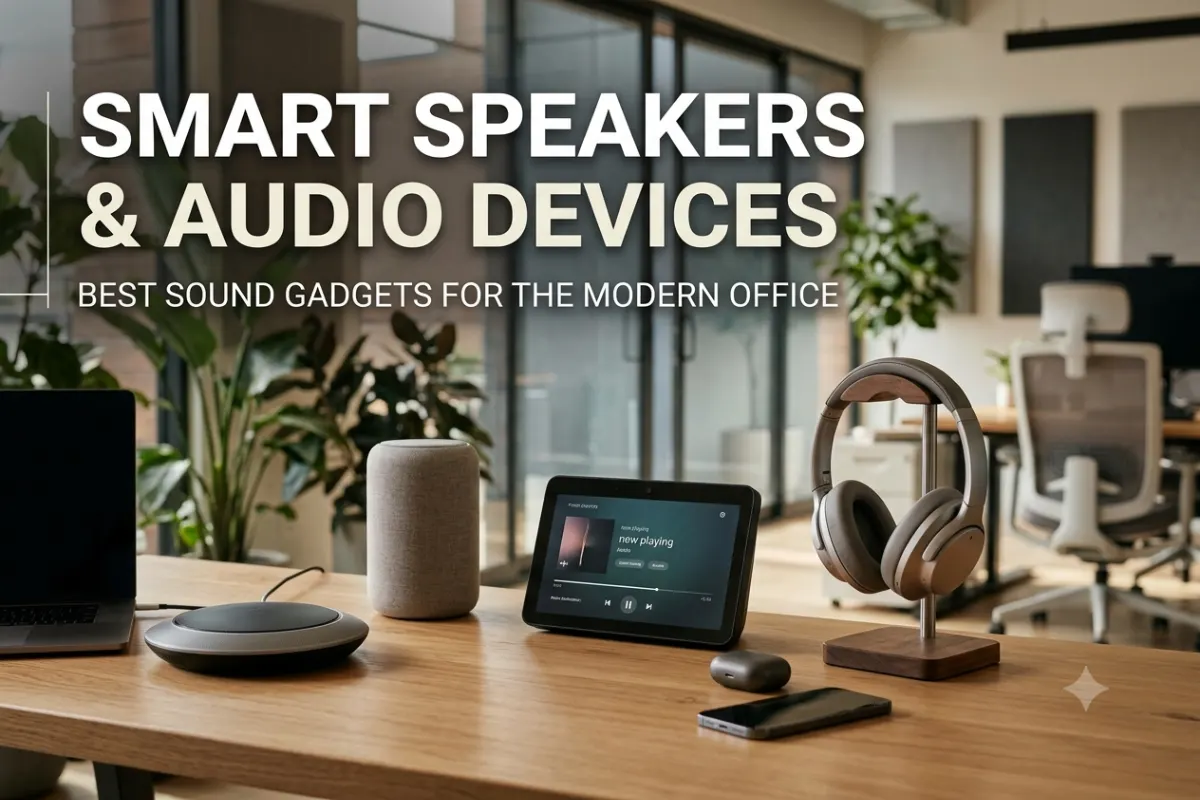
- Smart speakers
- Smart plugs
- Wireless routers
- Video conferencing tools
- Cloud collaboration software
Budget Breakdown
| Item | Estimated Cost |
| Smart Speaker | $50-$150 |
| Smart Plugs | $40-$100 |
| Mesh WiFi System | $200-$400 |
| Video Conference Equipment | $300-$500 |
Phase 2: $1,000-$5,000
Add:
- Smart lighting
- Security cameras
- Access control systems
- Meeting room technology
Phase 3: $5,000-$20,000
Advanced upgrades:
- Smart climate control
- AI office analytics
- Occupancy monitoring
- Enterprise automation platforms
Smart Office Essentials Every Modern Workspace Needs
Every successful smart office starts with a strong foundation.
Reliable High-Speed Networking
The network is the backbone of all smart office devices.
Requirements for 2026:
- WiFi 7 compatibility
- Gigabit internet
- Mesh networking
- Secure VPN access
- Network segmentation
Networking Comparison
| Technology | Speed |
| WiFi 5 | Up to 3.5 Gbps |
| WiFi 6 | Up to 9.6 Gbps |
| WiFi 6E | Up to 9.6 Gbps |
| WiFi 7 | Up to 46 Gbps |
Cloud Collaboration Platforms
Remote and hybrid work continue to dominate.
Must-have capabilities:
- Team messaging
- Video meetings
- File sharing
- Workflow automation
- AI assistance
Smart Storage Solutions
Businesses generate more data every year.
Recommended options:
- Hybrid cloud storage
- Automated backup systems
- Disaster recovery solutions
- Encrypted file storage
Energy Monitoring Systems
Energy costs remain a major business expense.
Smart monitoring enables:
- Usage tracking
- Cost forecasting
- Equipment optimization
- Sustainability reporting
Planning Your Smart Office Layout
Technology works best when integrated into a thoughtful office design.
Step 1: Identify Business Needs
Ask:
- How many employees work onsite?
- Do teams collaborate frequently?
- Is hybrid work common?
- What are current productivity challenges?
Step 2: Define Smart Zones
Successful offices divide space into zones.
Focus Areas
Designed for:
- Deep work
- Quiet productivity
- Minimal interruptions
Collaboration Areas
Designed for:
- Team meetings
- Brainstorming
- Project discussions
Flexible Workspaces
Designed for:
- Hybrid workers
- Hot-desking
- Temporary seating
Step 3: Plan Device Placement
Consider:
- Network coverage
- Power availability
- Security requirements
- User accessibility
Step 4: Future-Proof Infrastructure
Install systems capable of supporting:
- AI integrations
- Additional sensors
- Expanded networking
- New automation platforms
Quick Wins for a Smarter Office
Some improvements can be implemented in a single day.
Smart Plugs
Benefits:
- Remote control
- Energy monitoring
- Scheduled automation
Occupancy Sensors
Automatically control:
- Lighting
- Climate systems
- Meeting room usage
Digital Signage
Useful for:
- Announcements
- Visitor guidance
- Meeting schedules
Wireless Charging Stations
Employees appreciate:
- Reduced cable clutter
- Convenient charging
- Cleaner workspaces
Smart Whiteboards
Enhance collaboration by:
- Capturing notes digitally
- Supporting remote teams
- Integrating with cloud platforms
Smart Office Technology Trends in 2026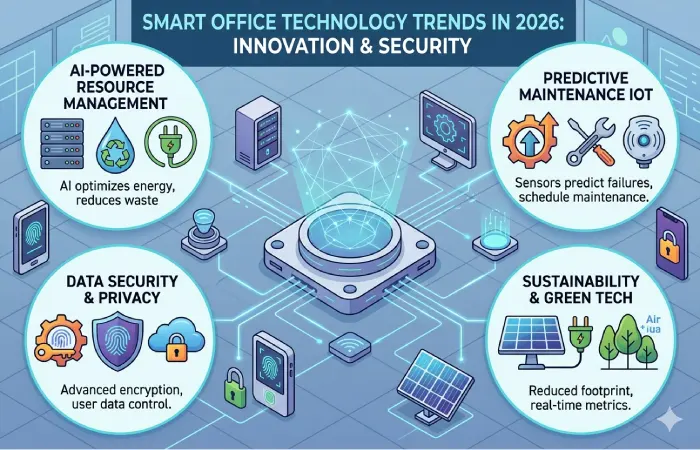
Several emerging trends are shaping the future workplace.
AI Workplace Analytics
AI can identify:
- Underused office space
- Energy inefficiencies
- Workflow bottlenecks
- Productivity trends
Touchless Offices
Growing demand for:
- Voice controls
- Mobile access systems
- Contactless meeting rooms
Sustainability Automation
Businesses increasingly prioritize:
- Carbon reduction
- Energy optimization
- Smart waste management
Digital Twin Offices
Digital twins create virtual office replicas for:
- Space planning
- Predictive maintenance
- Occupancy analysis
Smart Office ROI Analysis
Average return on investment for common technologies:
| Technology | Payback Period |
| Smart Lighting | 6-18 Months |
| Smart HVAC | 12-24 Months |
| Smart Security | 12-24 Months |
| Collaboration Tools | 3-12 Months |
| Occupancy Sensors | 6-18 Months |
Common Smart Office Mistakes to Avoid
Buying Technology Without a Strategy
Always start with business goals.
Ignoring Cybersecurity
Every connected device increases potential attack surfaces.
Over-Automating
Automation should simplify workflows, not complicate them.
Neglecting Employee Training
Employees must understand how to use new tools effectively.
Choosing Incompatible Systems
Prioritize platforms with strong integration capabilities.
Frequently Asked Questions
What is a smart office?
A smart office uses connected technologies, automation, AI, sensors, and cloud-based systems to improve workplace productivity, efficiency, and employee experience.
How much does a smart office setup cost?
Small businesses can start with basic smart office upgrades for under $1,000 and scale gradually based on their needs and budget.
Are smart offices secure?
Yes, when implemented correctly with strong cybersecurity practices, encrypted networks, access controls, and regular updates.
What is the most important smart office technology?
Reliable networking infrastructure is the foundation. Without strong connectivity, smart office systems cannot function effectively.
Can small businesses benefit from smart office technology?
Absolutely. Small businesses often see faster returns because automation reduces manual work and operational expenses.
Final Thoughts
The best smart office ideas for businesses in 2026 are all about making workspaces efficient, secure and flexible.
They focus on using office tools, like AI, smart networks and intelligent lighting to boost productivity and keep costs down. These tools help small businesses work better and stay safe. The successful smart offices do not try to do too much at once.
They start with a few upgrades that will make a big difference and then add more over time. This way they can. Improve without wasting money. Whether you are setting up an office or updating an old one investing in smart office tech now can help your business grow make employees happy and run smoothly.
Smart office technology helps businesses achieve long-term growth and employee satisfaction and ensures excellence. It is essential for small businesses to have office setup, for their work.